We’ve come too far to go backwards – funding children’s right to heal from trauma
By Jay Vaughan, CEO, Family Futures
There’s so much happening right now in children’s services that feels deeply wrong and it’s failing the very children we’re meant to protect. Children removed from their birth families due to abuse and neglect need a joined-up, integrated approach to heal from the trauma they have experienced – one that prioritises permanency, healing, and long-term wellbeing.
We’ve known since the 1990s that social work alone isn’t enough to provide a service that promotes therapeutic healing. That’s why Adoption Support Agencies were created and regulated by Ofsted – to provide the specialist, therapeutic support traumatised children need.
Now is the time for a complete rethink of how we provide the care and recovery that all care experienced children need. Our published research evidences that a unified, interdisciplinary service that brings together all professionals – social workers, psychotherapists, psychologists, teachers, paediatricians, psychiatrists, and sensory integration therapists – working collaboratively for care-experienced children brings about profound and lasting improvements in children’s outcomes. The children and young people who took part in our 2019 research had the highest level of ACE scores (Adverse Childhood Experiences) and yet their outcomes were significantly better following their therapeutic treatment programme than their peers who did not receive this support.
I understand, personally and professionally, the long-term impact of abuse and neglect and I have been working with traumatised children and listening to their experiences for over 27 years. Healing is slow, delicate work that requires specialist input. Six sessions or a year of support is rarely enough for children so traumatised that they may be too fearful of adults to even enter the therapy room at first.
The neuroscience is clear: trauma affects the nervous system in complex ways. We need neurosequential, multi-modal, long-term approaches. Parenting courses and peer support are valuable, but they must sit alongside integrated therapeutic services. There’s no single solution – only collaboration can provide children and young people with the holistic support they need to heal and thrive.
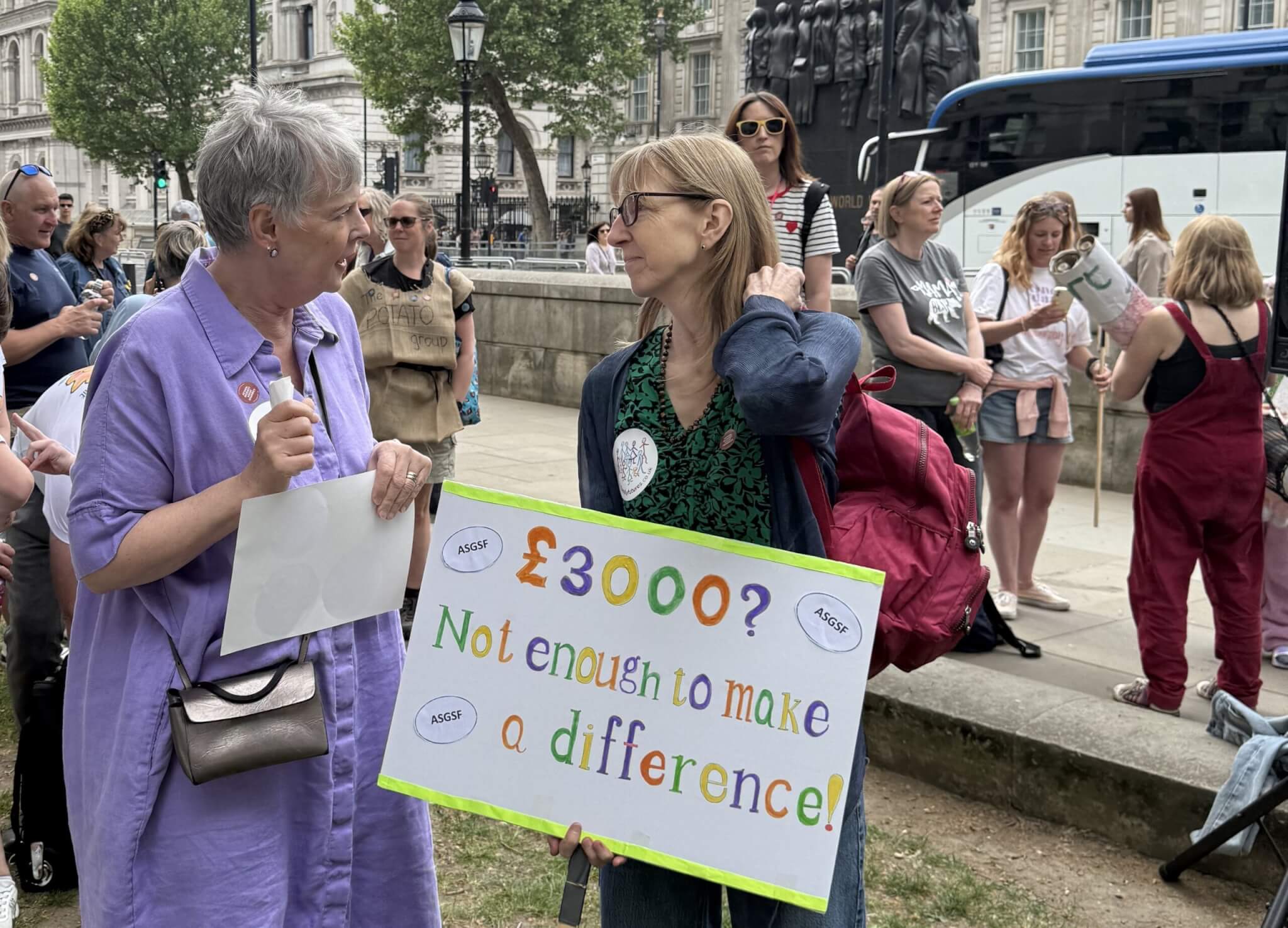
With the current spending review, due to be announced this week, Family Futures wrote recently to Rachel Reeves MP, Bridget Phillipson MP and Janet Daby MP outlining the devastating impact of ASGSF cuts on children like Beth – children who are not statistics, but individuals with complex trauma histories and who have the right to heal. As our letter states,
£3,000 is not enough to help these children heal or go on to thrive and contribute positively to society...These are shocking, drastic cuts for some of the most traumatised, vulnerable children in our society who deserve more, not less support to survive and thrive.
You can read Family Futures’ open letter to government ministers here
The real task is to build the best possible services for all care-experienced children, whether adopted, in kinship care, under special guardianship, or fostered. Let’s not go backwards to a time when families had to beg for help. We’ve come too far.
Ending on a note of positivity, the greatest joy in my work is hearing from young people, years later, who are navigating life with greater self-understanding and resilience. That is what professionals working in children’s social care are here for.
9th June 2025
Posted in: News