Our research
Explore the published research behind our work, contributing to the evidence base for the therapeutic support we provide to families.
Findings from our research
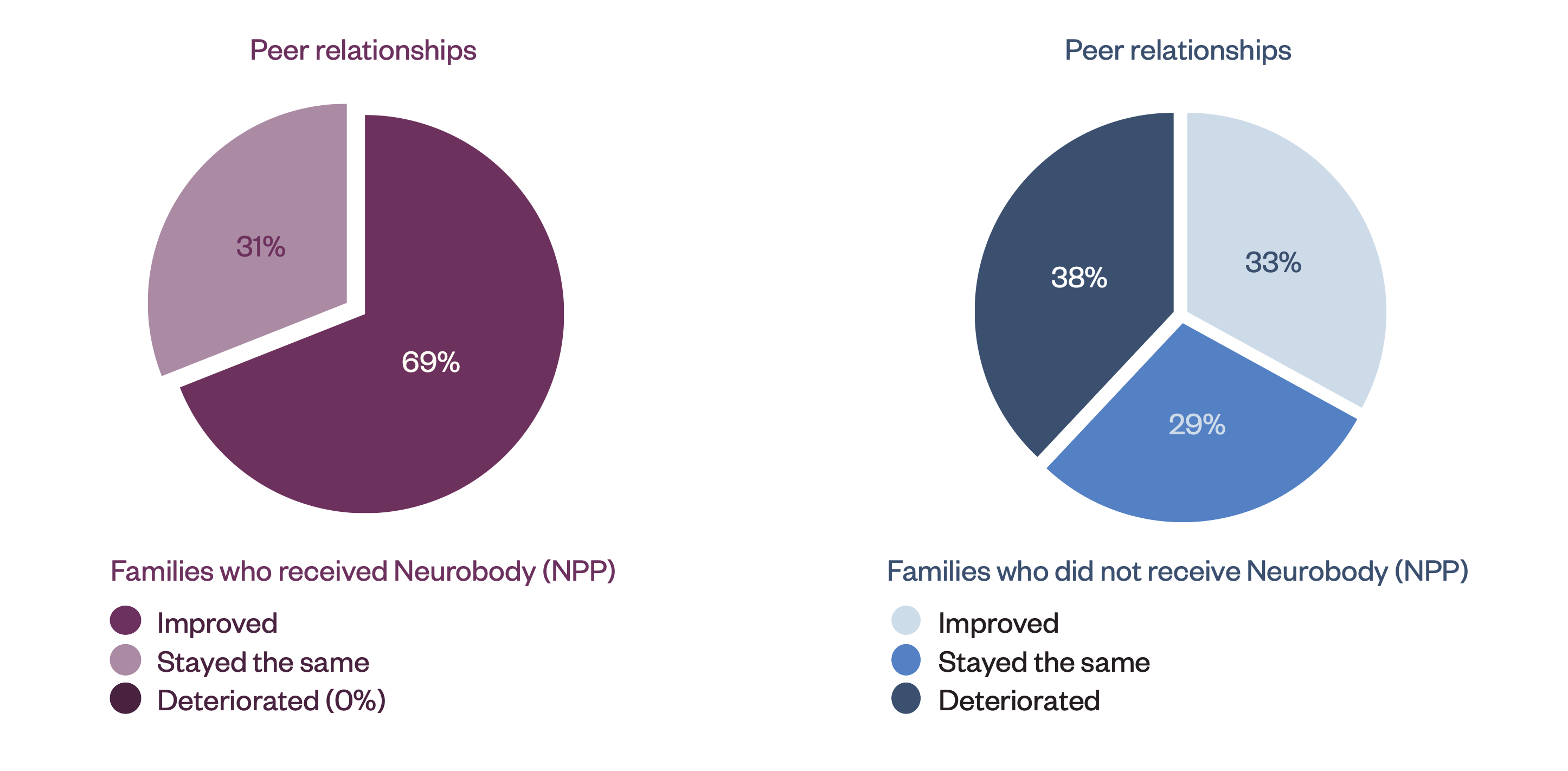
Children who received Neuro-Physiological Psychotherapy (Neurobody) therapy presented with significantly less emotional and behavioural difficulties
Externalizing Behaviours as measured by the Child Behaviour Checklist (CBCL) at re-test. In comparison, the control group continued to present with the same level of difficulties that they had at assessment.
Significant improvements in the ability to self-regulate, manage information, make decisions and plan ahead
There was a significant difference between the treatment and control groups’ executive functioning. Executive functioning refers to abilities to self-regulate, manage information, make decisions and plan ahead. The treatment group made significant improvements on the Global Executive Composite (a total executive functioning score), Behavioral Regulation Index and Metacognition Index domains of the Behavioral Rating Inventory of Executive Function (BRIEF). The control group continued to present with the same levels of executive functioning difficulties that they had at assessment.
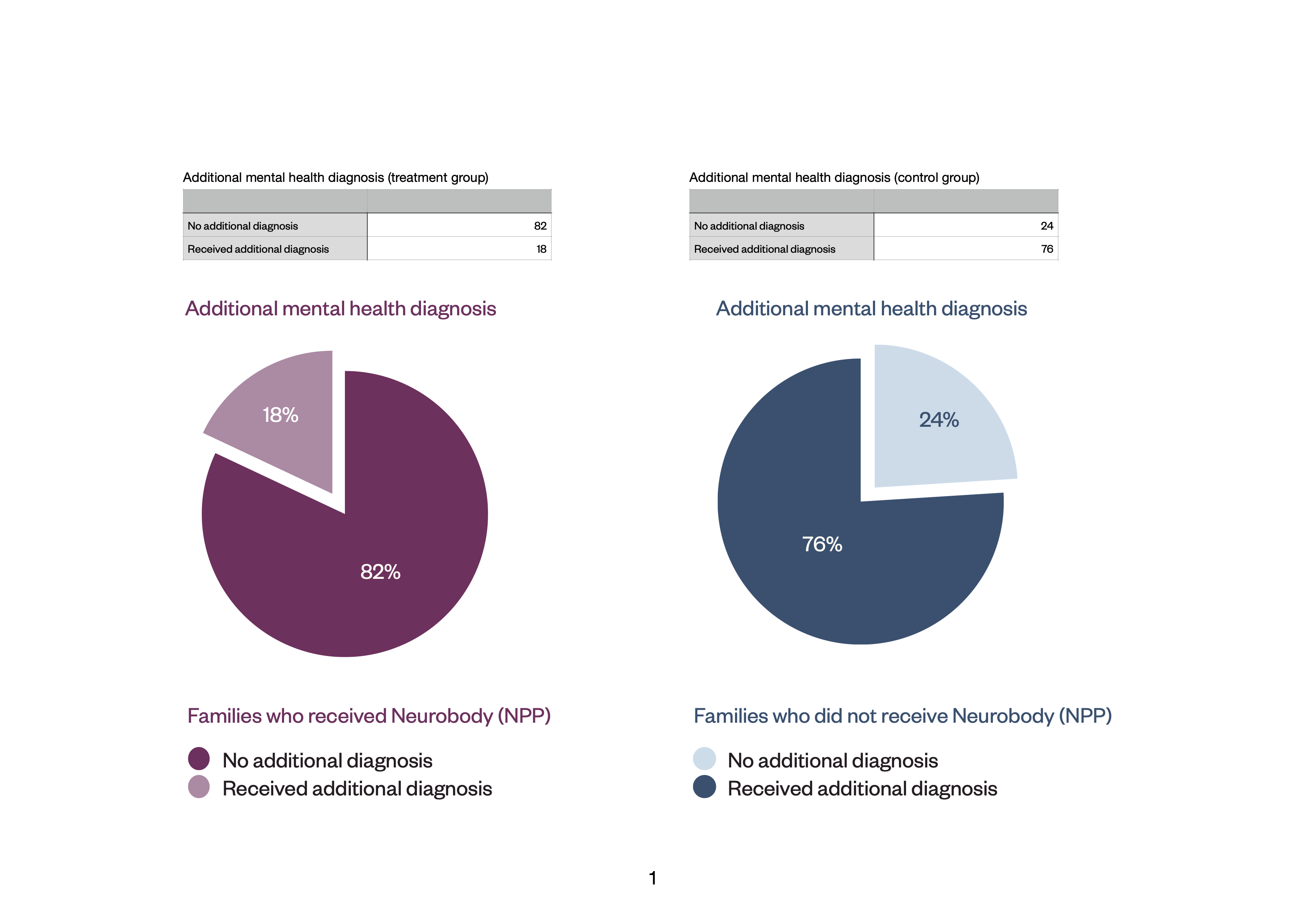
Significant improvements in global mental health including self-esteem and self-image
As measured by the Assessment Checklist for Children (ACC). However, the control group continued to present with the same difficulties and in some cases these difficulties had worsened over time.
WHAT ADOPTIVE PARENTS SAY
“Family Futures have been the foundation and support allowing us to survive and thrive . Without them we risked being yet another statistic of risk, regarding trauma and potential break down.”
Research papers
Vaughan, J., McCullough, E. and Burnell, A. (2016) ‘Neuro-Physiological Psychotherapy (NPP): the development and application of an integrative, wrap-around service and treatment programme for maltreated children placed in adoptive and foster care placements’, Clinical Child Psychology and Psychiatry 21(4): 568–581. 
Explains how our Neuro-Physiological Psychotherapy (NPP) model supports children who have experienced early trauma through a brain-based, developmental and attachment-focussed approach
Read full paper
McCullough, E., Gordon-Jones, S., Last, A., Vaughan, J. and Burnell, A. (2016) ‘An evaluation of Neuro-Physiological Psychotherapy: an integrative therapeutic approach to working with adopted children who have experienced early life trauma’, Clinical Child Psychology and Psychiatry 21(4): 582–602. 
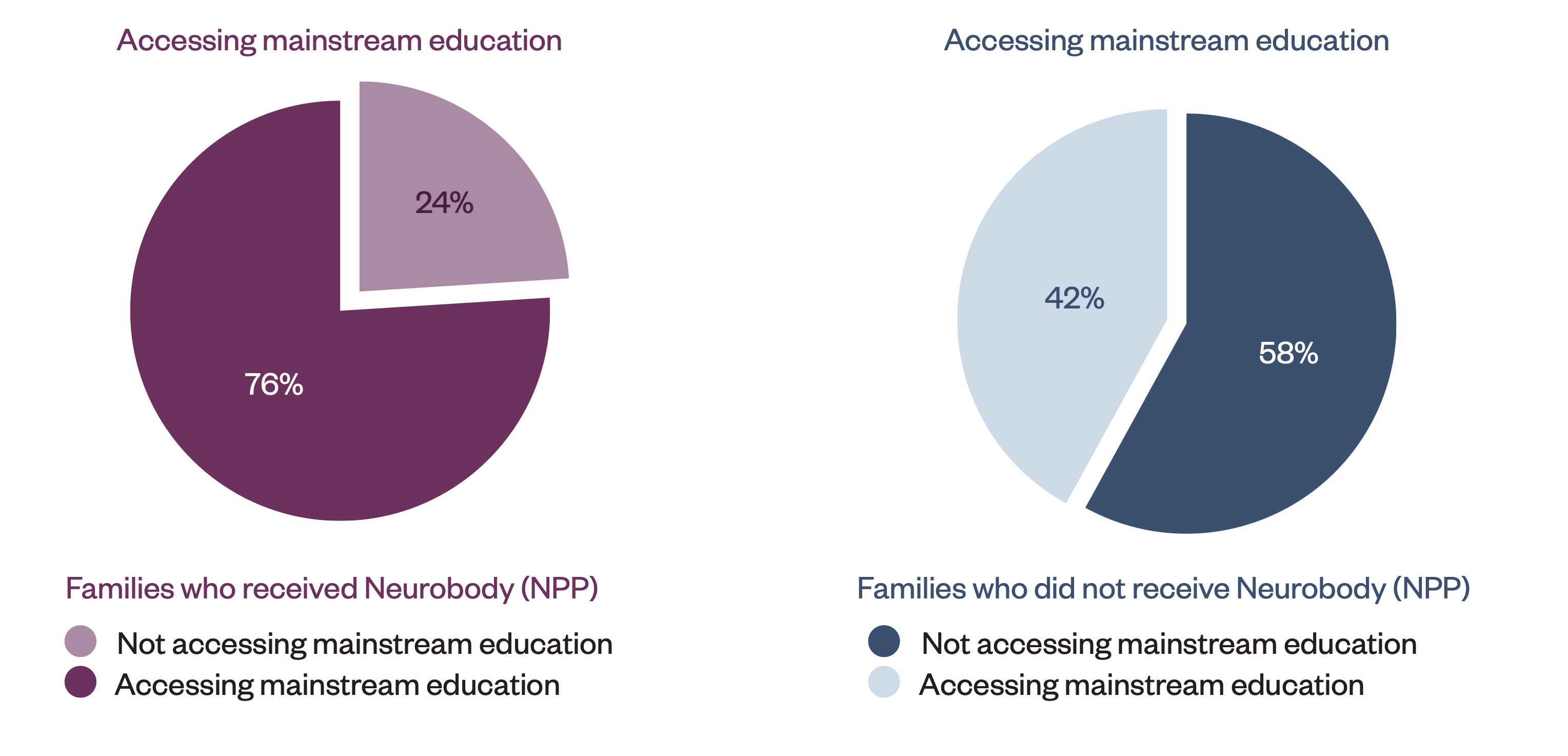
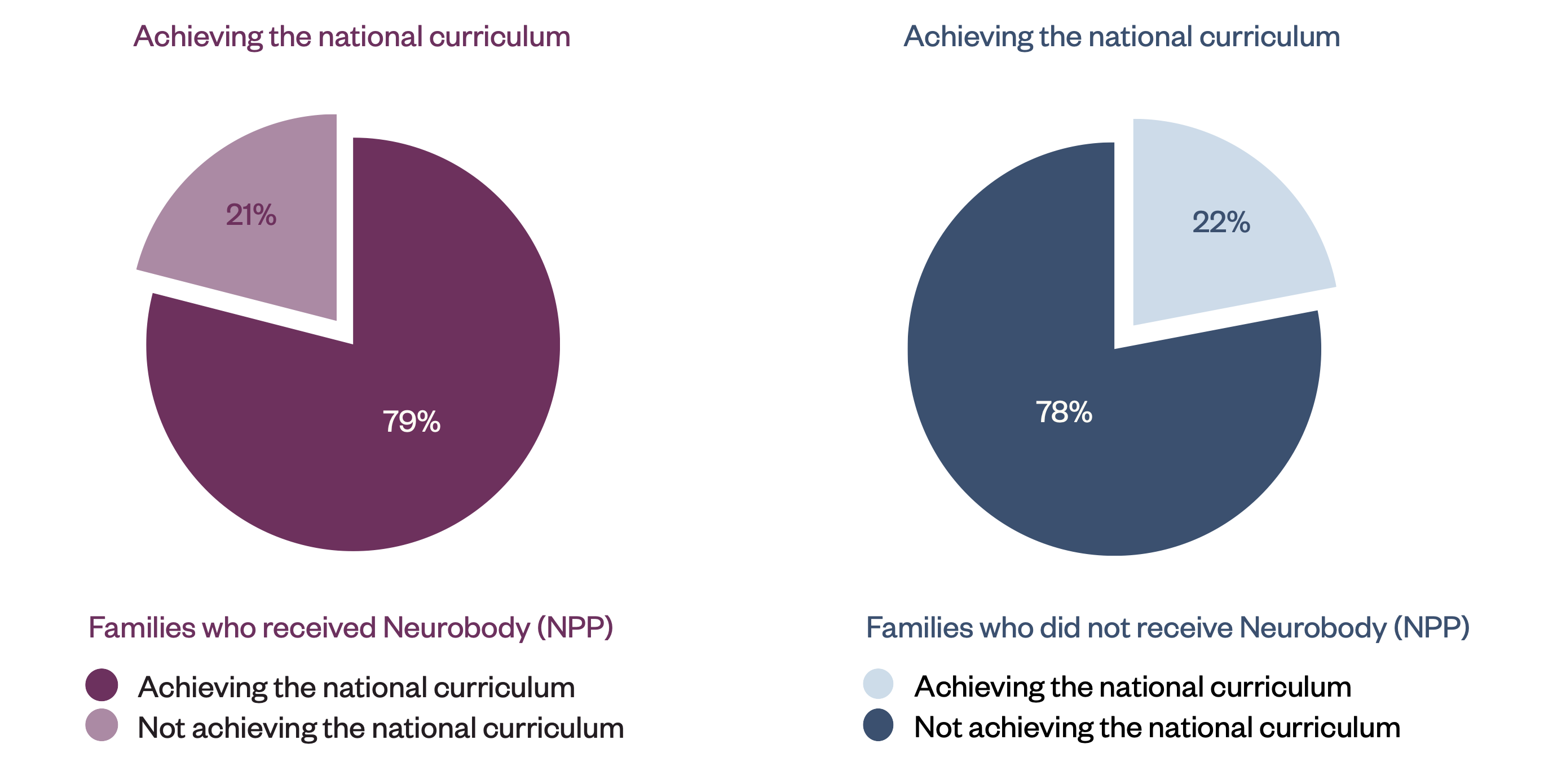
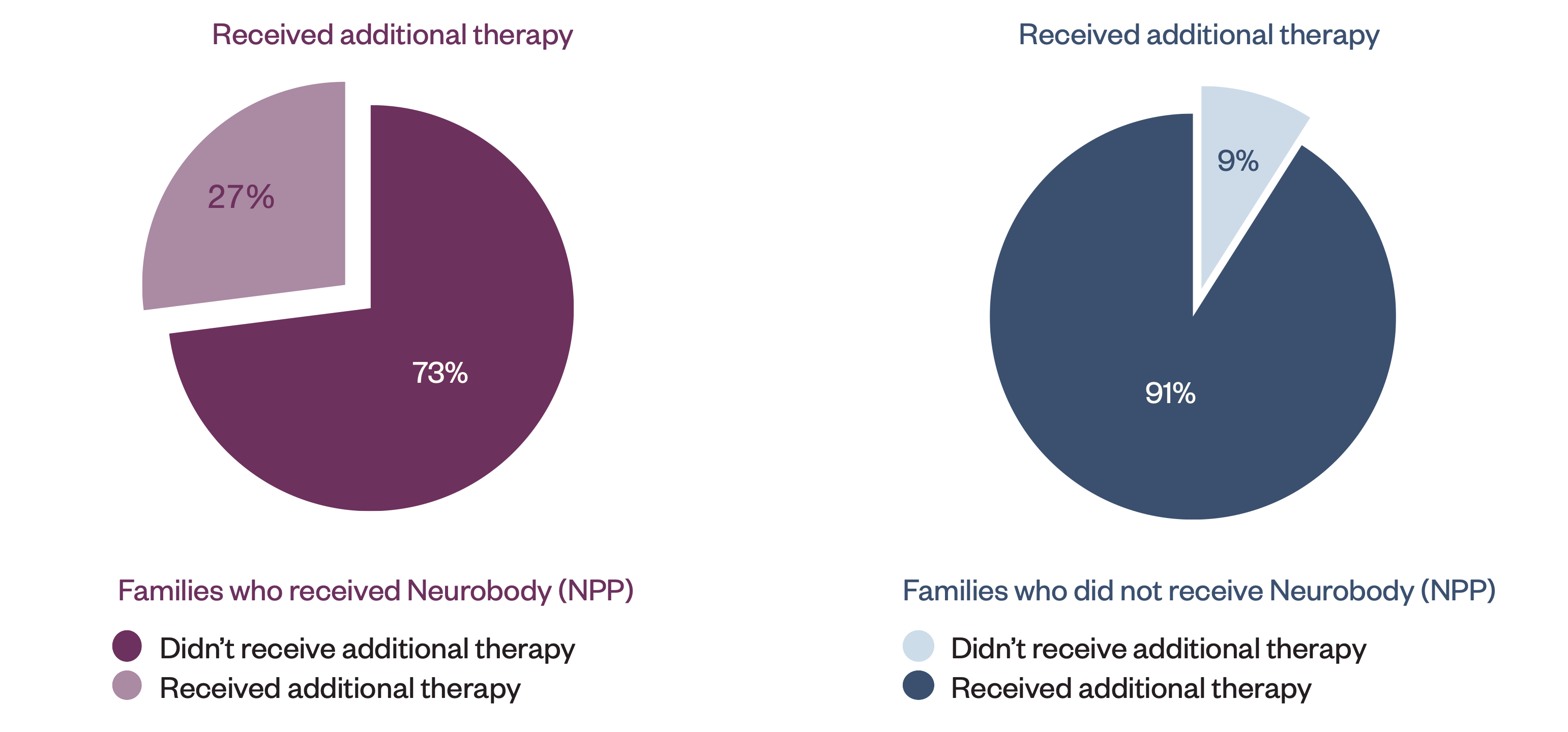
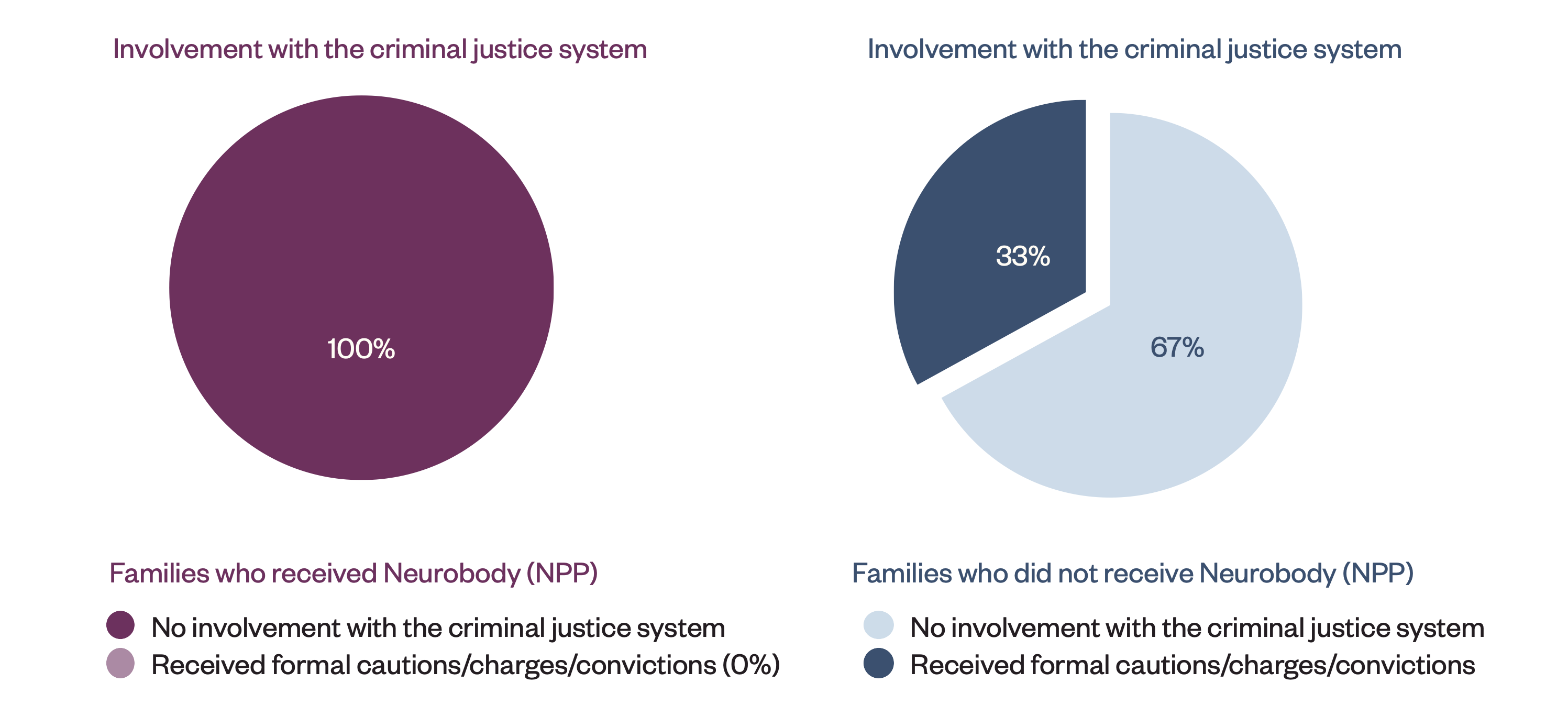
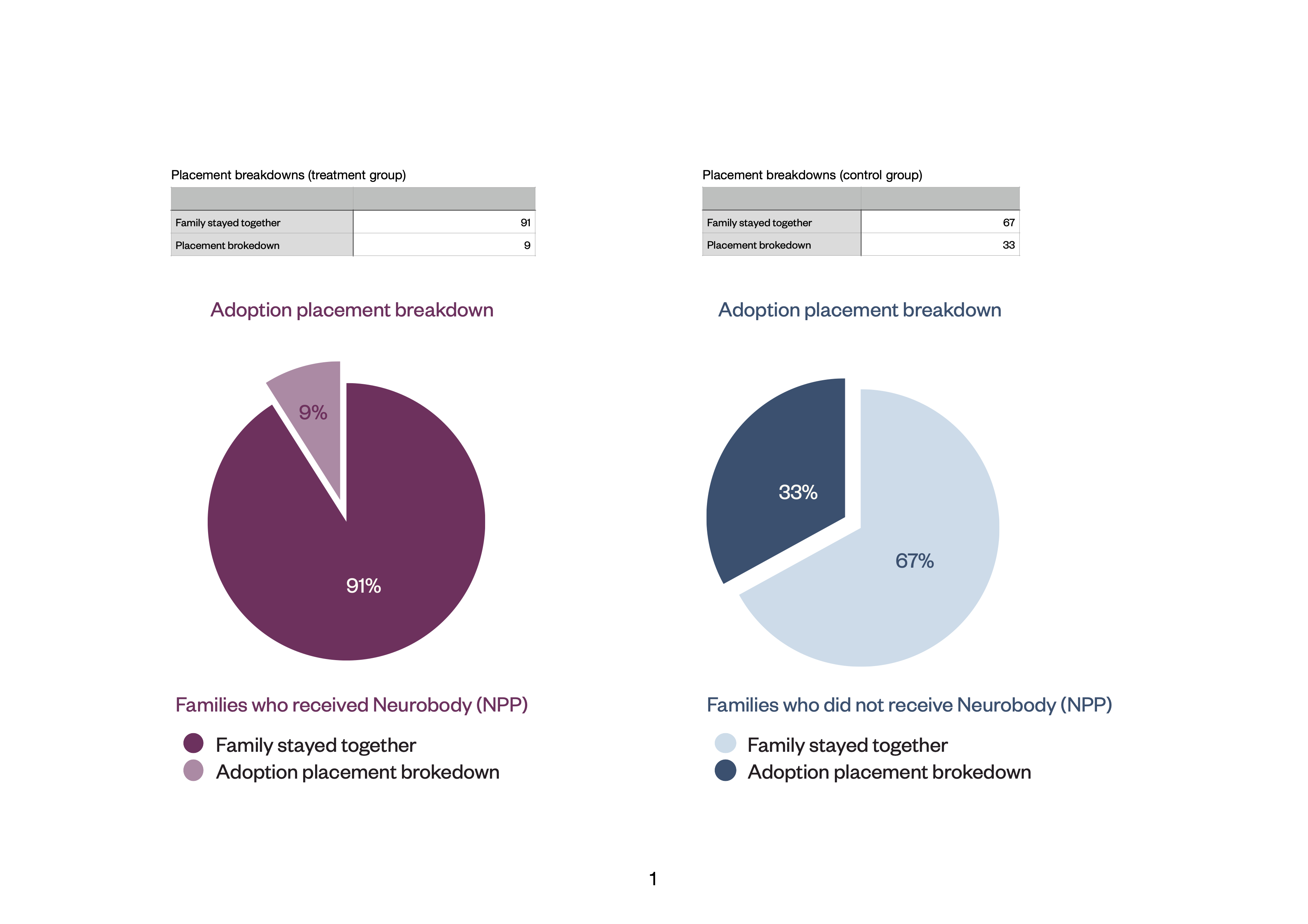
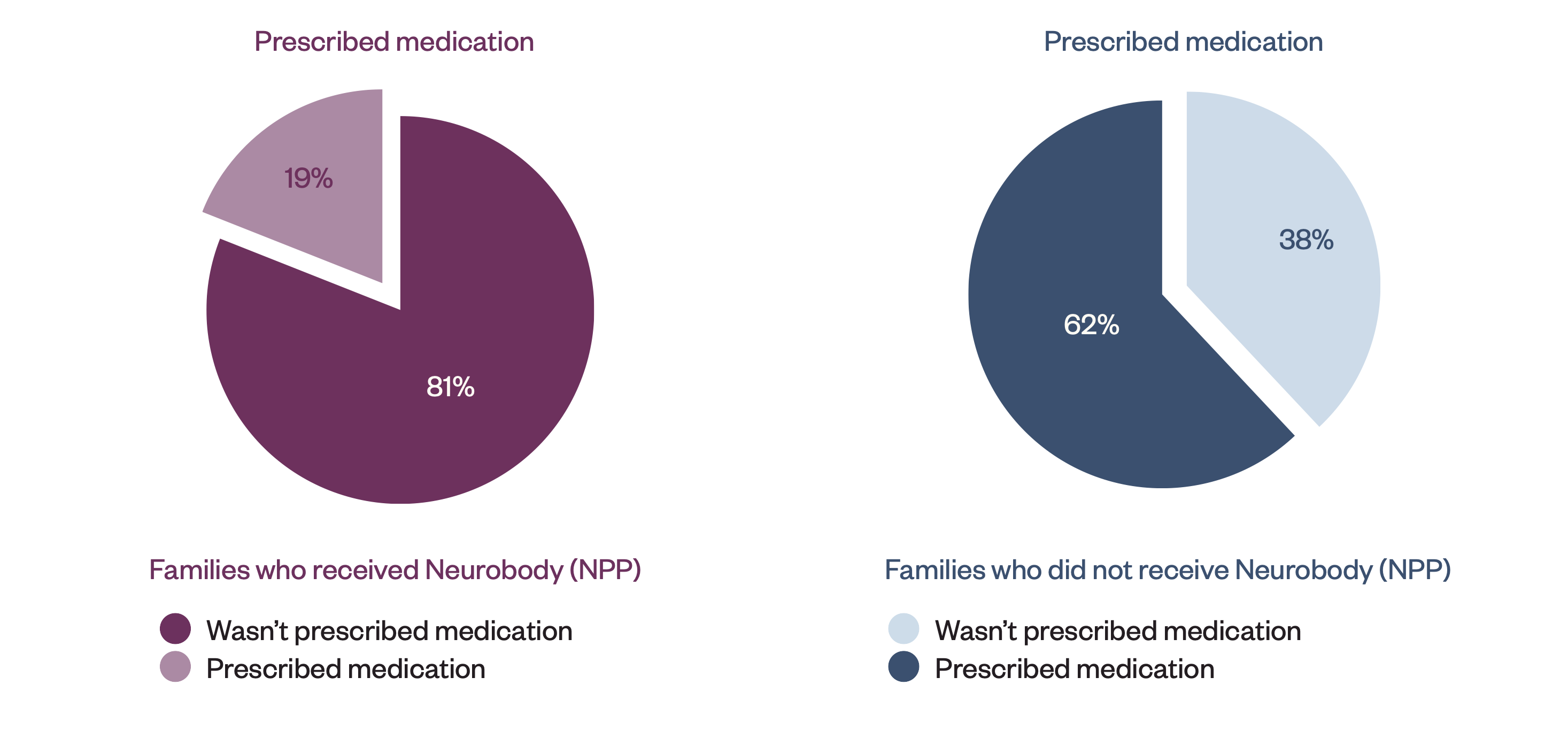
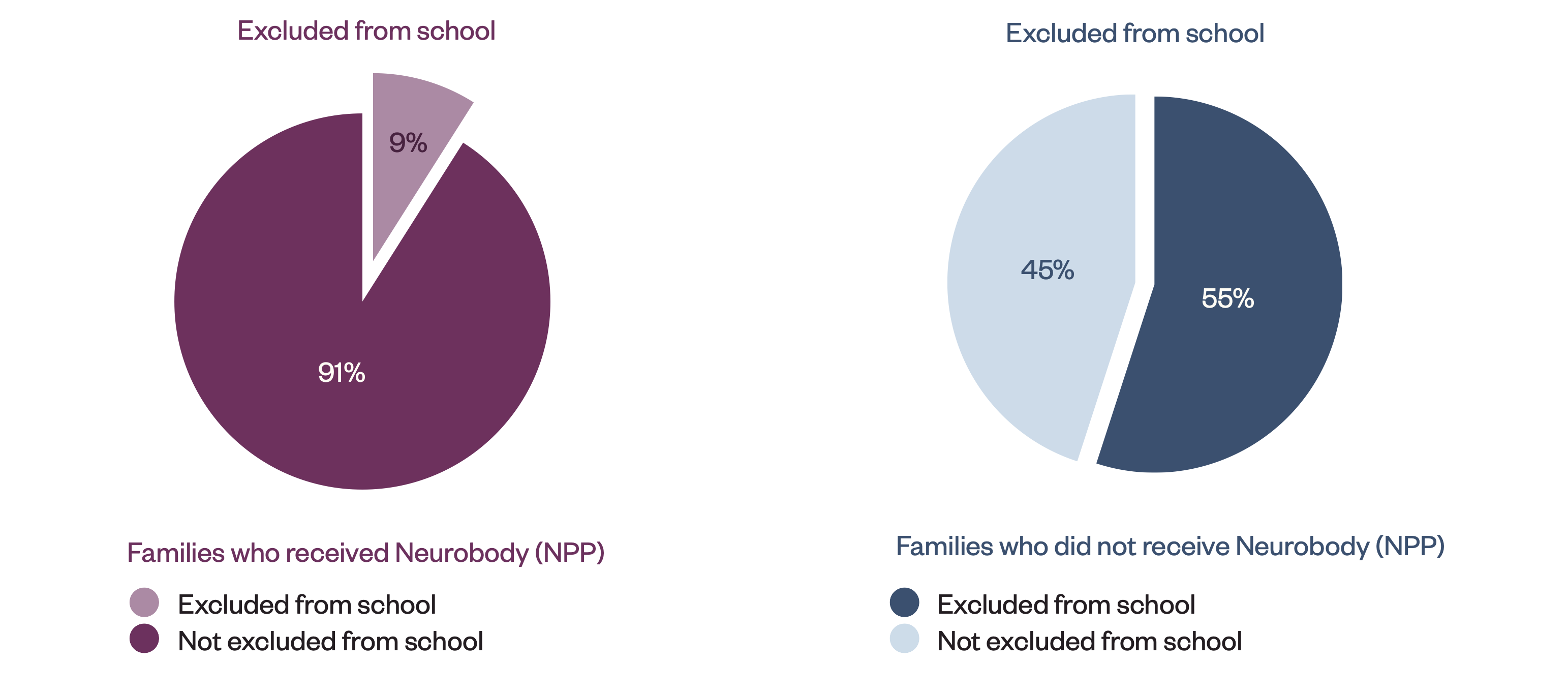
This study of 31 adopted young people and their parents found that our NPP model brought significant improvements in behaviour, executive functioning and emotional wellbeing, with better engagement in education and no further mental health diagnoses or criminal justice involvement.
Read full paper
McCullough, E. and Mathura, A. (2019) ‘A comparison between a Neuro-Physiological Psychotherapy (NPP) treatment group and a control group for children adopted from care: support for a neurodevelopmentally informed approach to therapeutic interventions with maltreated children’, Child Abuse and Neglect 97. 
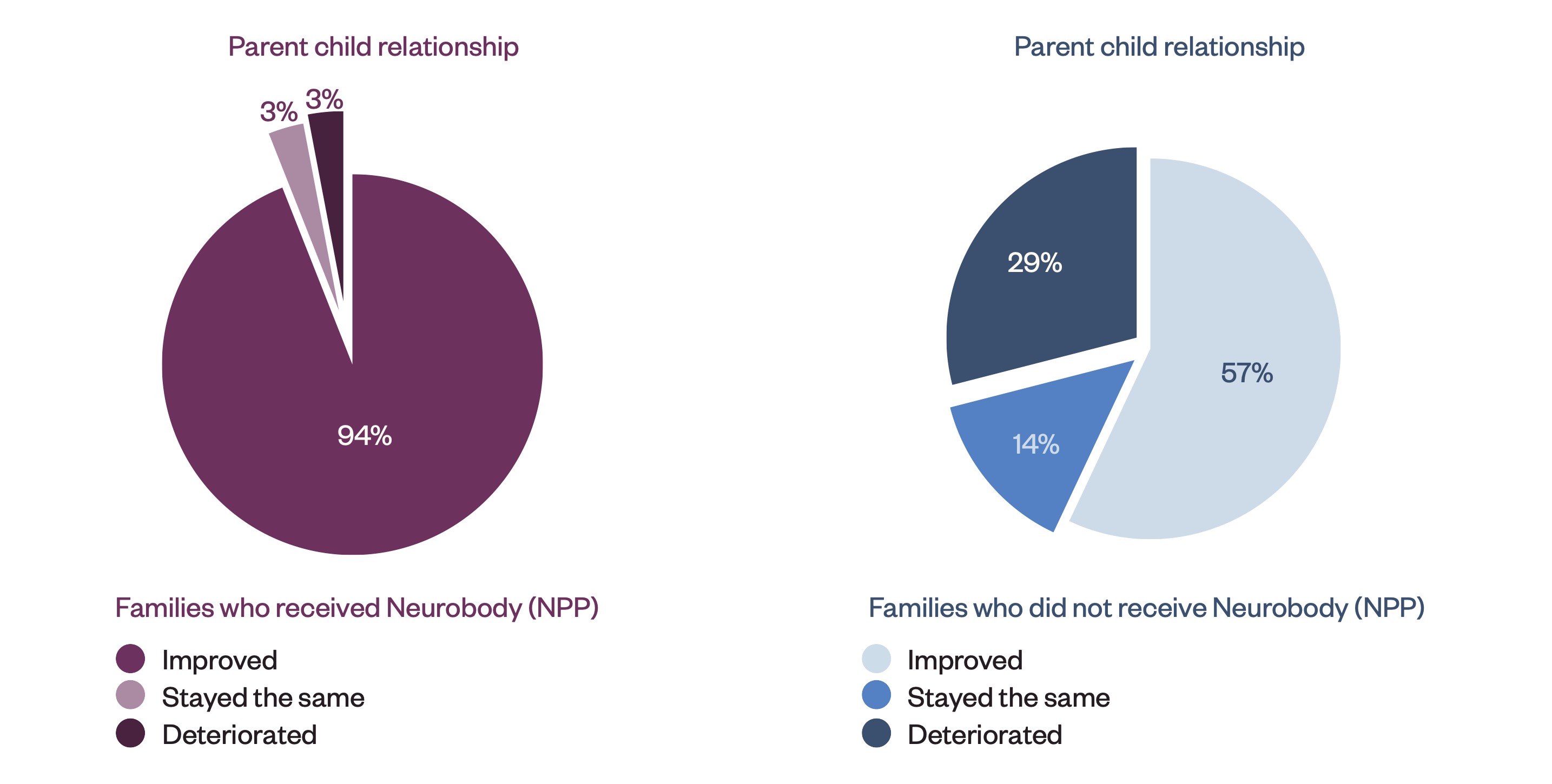
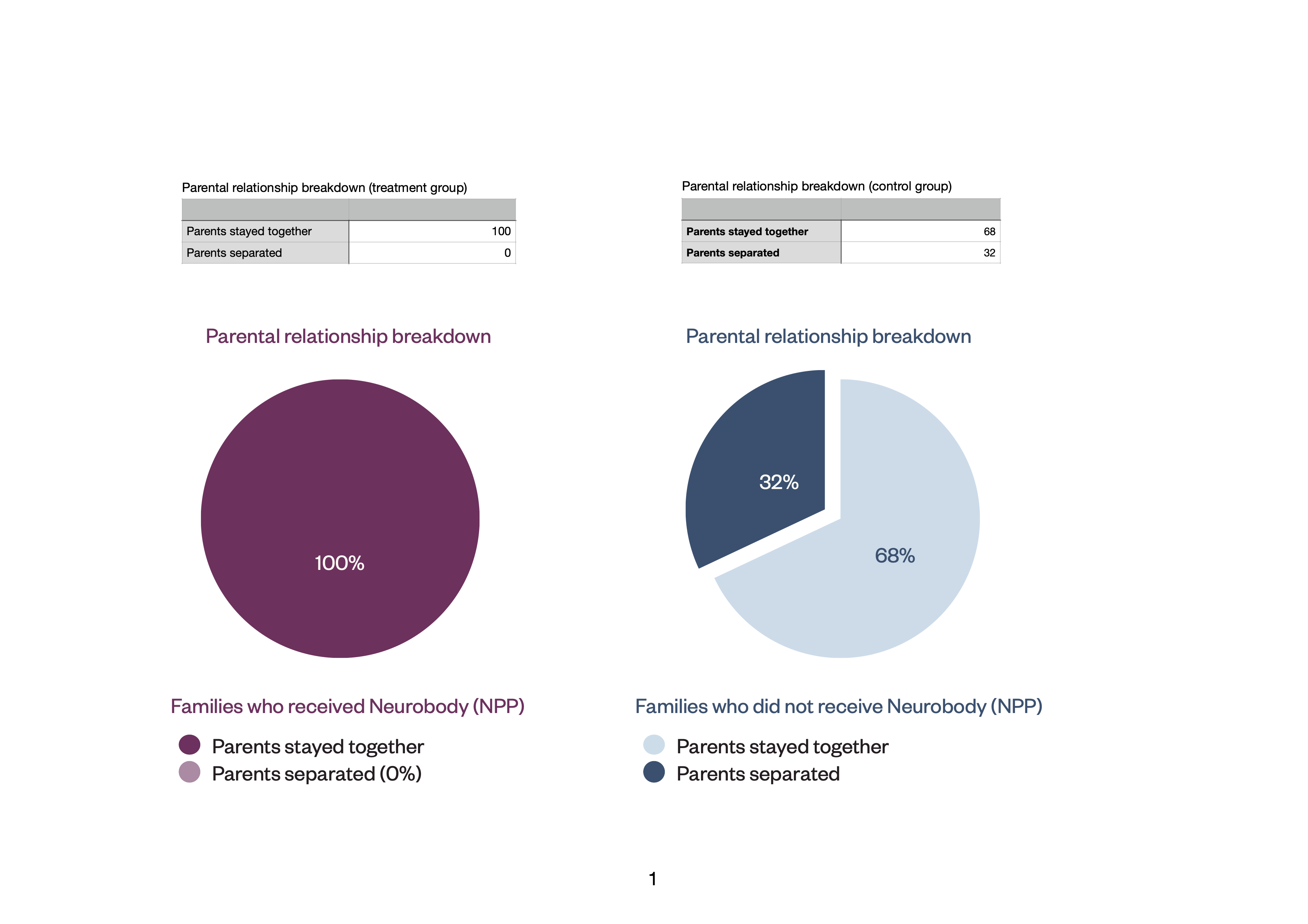
This follow up study compared children adopted from care who received the NPP therapy with a matched control group, and found significant benefits for behaviour, emotional wellbeing and family relationships.
Read full paper
McCullough, E. (2026) ‘An evaluation of Neuro-Physiological Psychotherapy (NPP) for children and young people with Developmental Trauma and prenatal alcohol exposure (PAE) who were adopted from care and who may meet criteria for FASD’ Journal of Child & Adolescent Trauma.
This larger study strengthens our previous findings about the significant benefits of NPP (Neurobody therapy) for adopted children with neurodevelopmental trauma, including children with prenatal alcohol exposure who may meet the criteria for FASD.
Read full paper